

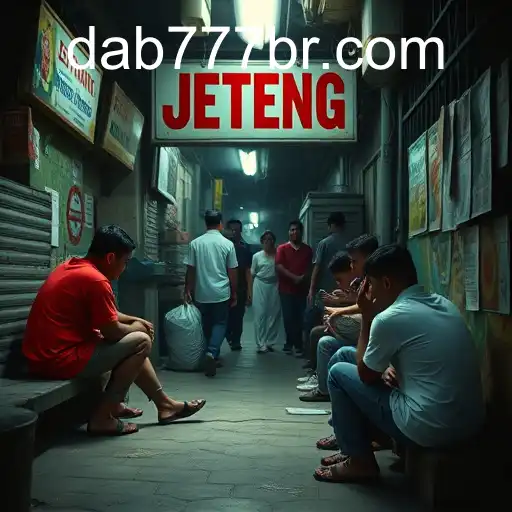
Jueteng: An In-Depth Look at the Underground Numbers Game
39ggJueteng is an illegal numbers game that has woven itself into the fabric of Filipino culture. Despite repeated government crackdowns, it continues to thrive, presenting a complex challenge for law enforcement and policy makers.
Understanding Jueteng
Originating during the Spanish colonial period, jueteng has become a deeply ingrained part of Filipino society. It is a game of chance where players choose a combination of numbers, typically ranging from 1 to 37. Winners are determined based on a randomly drawn set of numbers, and the allure of quick cash draws participation across socioeconomic classes.dab777
The Mechanics of Jueteng
Participants place their bets with a kubrador, or bet collector, who then passes the bets to a number of runners. These runners forward the bets to an accountant, who aggregates them with others to form a pot. Draws are typically conducted in an undisclosed location and under cloak-and-dagger secrecy, reflecting the game’s illegal nature.
The potential payout from jueteng can far exceed legal lottery systems, making it an attractive, albeit risky, gamble for bettors. However, this also means that it operates outside the regulation of taxation or governmental oversight, contributing to its underground status.
The Popularity of Jueteng
Jueteng’s appeal is rooted in several factors. The low cost of entry allows wide participation, and the promise of rapid financial gain appeals to individuals facing economic hardship. Additionally, its clandestine nature lends an air of thrill and excitement that can be addictive.
Notably, jueteng is a social glue in many communities, creating networks of regular participants who often gather together, fostering community solidarity. The social aspect is as important as the potential monetary gain for many players.
Governmental Crackdowns and Controversy
39ggThe illegal status of jueteng has made it a target for law enforcement. Successive Filipino governments have attempted to eradicate this numbers game, often with limited success. Efforts range from police operations, legislative measures, and alternative legal gambling solutions, but these have yet to dissuade its practice completely.
Part of the challenge in combating jueteng is its deep ties to local politics and the economy. The game is said to be a revenue source for corrupt officials, who receive payoffs in exchange for protection. This complicity paints a grim picture of systemic corruption stretching from small-town officials to higher echelons of political power.
Jueteng and Corruption
Jueteng has been linked to numerous scandals in the Philippines. Its capacity to generate significant funds means that many political campaigns have allegedly been funded through profits from jueteng operations. This financial dependency gives jueteng operators significant leverage over politicians, creating a vicious cycle of power and corruption.
dab777A notorious instance was the controversy involving President Joseph Estrada in the early 2000s, where allegations arose of receiving jueteng kickbacks. The scandal eventually played a part in the loss of his presidency, highlighting how deeply entrenched and powerful jueteng has become.
Legal Alternatives: The Philippine Charity Sweepstakes Office
Efforts to provide legal gambling alternatives have been met with both success and criticism. The government-established Small Town Lottery (STL) under the Philippine Charity Sweepstakes Office was introduced as a legal alternative, aiming to redirect funds from illegal gambling to governmental projects.
However, STL’s operations have not significantly curbed the popularity of jueteng. Many players consider STL as less favorable due to lower payouts and perceived governmental overreach. Critics argue that without addressing the systemic and cultural roots of jueteng, legal alternatives like STL may continue to struggle in supplanting it.
Jueteng’s Cultural Impact
Despite its negative aspects, jueteng has undeniably influenced Filipino culture. It has inspired numerous stories, movies, and media content that reflect the complexity of its role in society. For many, the game is more than just a gamble—it is a reflection of daily life, economic struggle, and sometimes, hope.39gg
Incorporating jueteng into cultural narratives enriches its significance beyond the mere act of betting. It mirrors the resilience and adaptability of the Filipino spirit in the face of socioeconomic challenges, and this ethos is often represented in Filipino arts and literature.
Conclusion
Jueteng remains a contentious yet accepted part of life for many Filipinos. Its persistence highlights deep societal issues, including poverty, corruption, and the need for reform that comprehensively addresses these challenges. While efforts to eradicate or replace it have yet to be successful, understanding the cultural and socio-economic origins of jueteng is crucial to crafting effective solutions.